
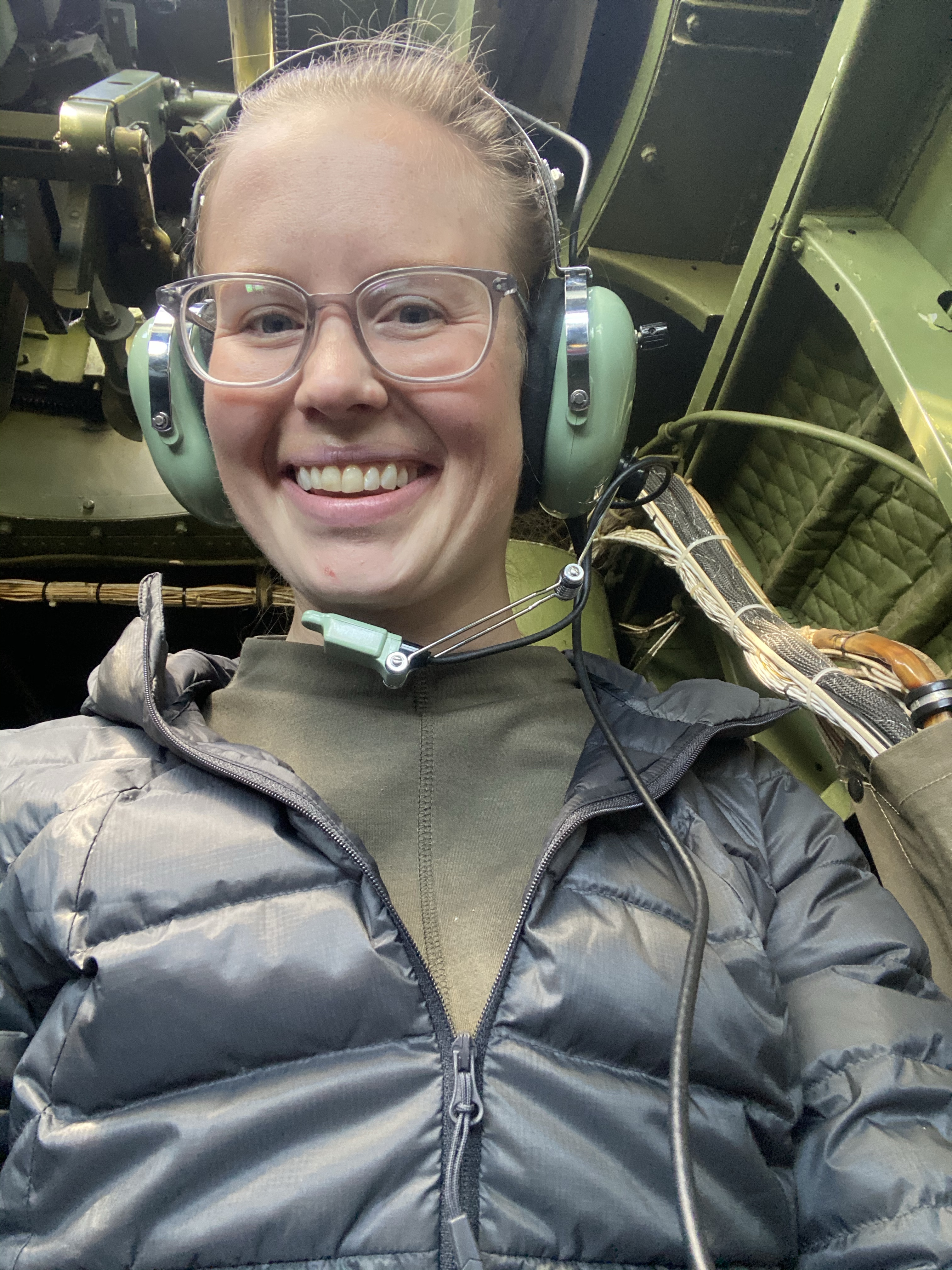
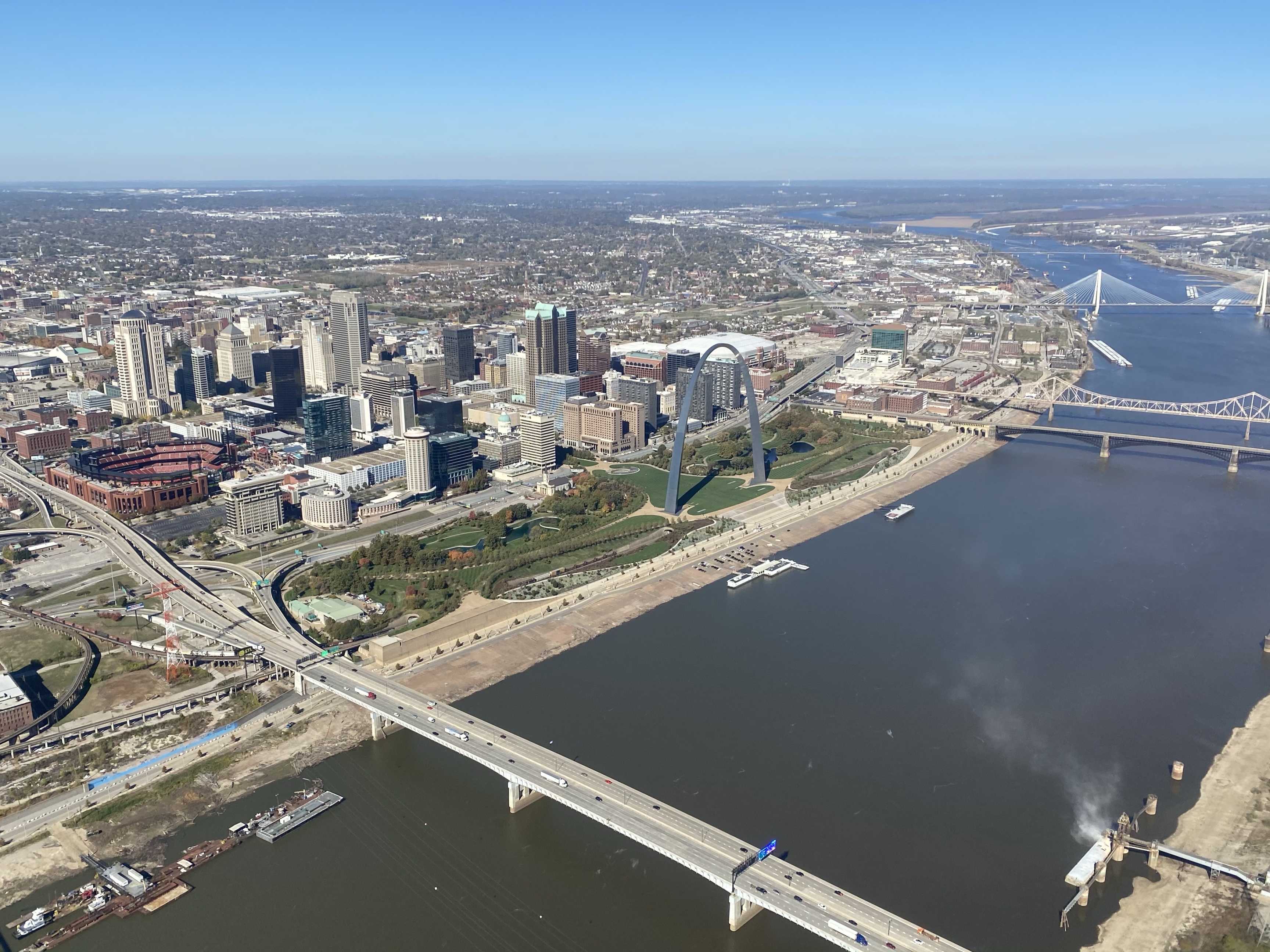
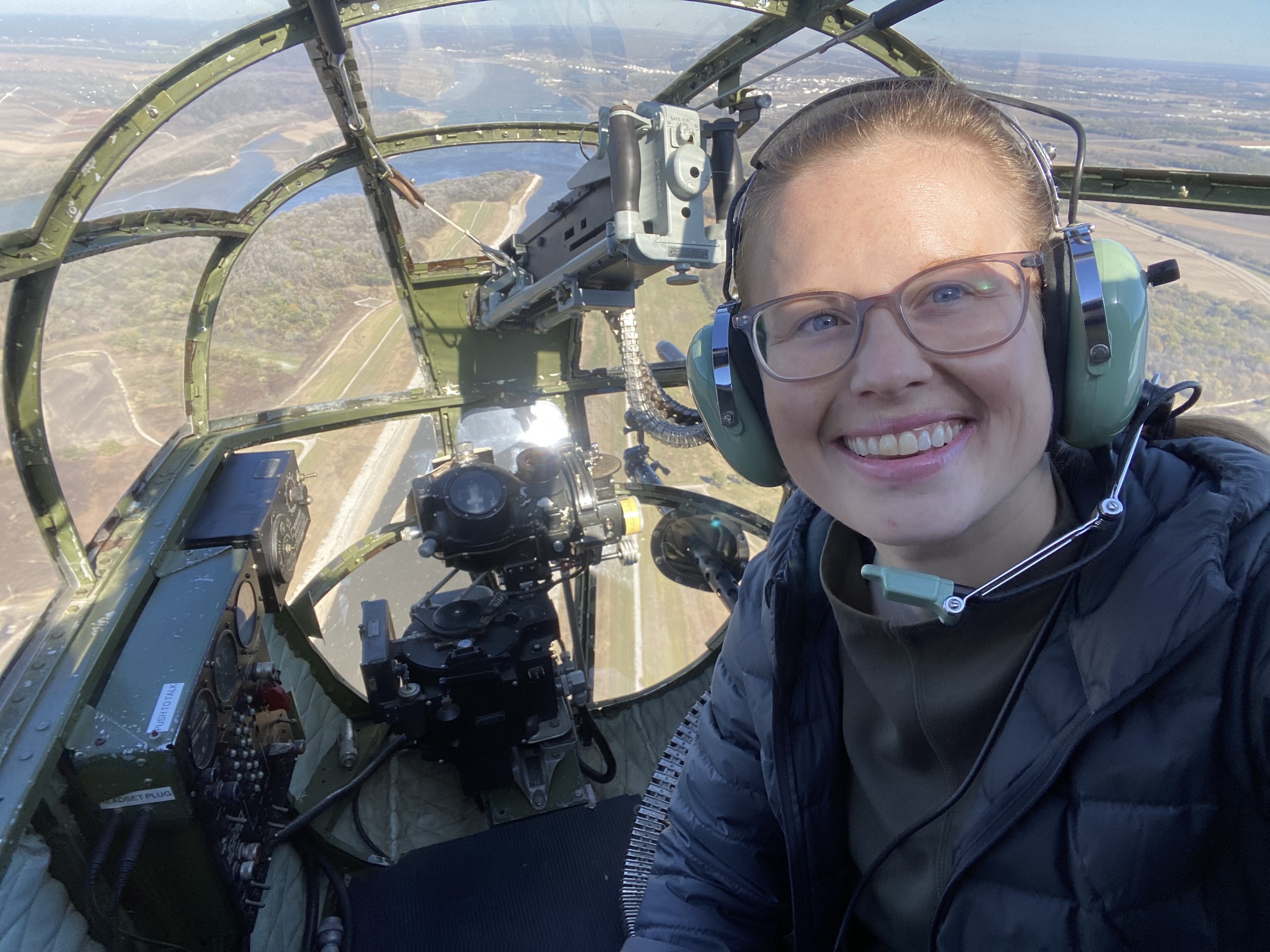
Last August, Sentimental Journey – a beautifully restored and meticulously maintained Boeing B-17G – made a stop in Seattle as part of its 2022 summer tour. I was incredibly fortunate to spend time with the crew during their weeklong stay at Boeing Field, and even got to tag along on the flight up to Arlington, Washington. Talk about a once-in-a-lifetime experience! As expected, the flight was incredible… but it was seeing the countless volunteers use this piece of living history to honor, educate and inspire, that really left a lasting mark on me.

Sentimental Journey was built by Douglas Aircraft Co. in 1944 and today is one of the top attractions at Airbase Arizona, the 10th unit of the Commemorative Air Force (CAF). Formed in 1978 and based at Mesa’s historic Falcon Field, Airbase Arizona today ranks as one of the largest CAF units in the world. In addition to its seven flying warbirds, Airbase Arizona is home to a world-renowned museum housing roughly a dozen combat aircraft, hundreds of artifacts and countless stories.
Imagine my delight when the unit invited me to speak at their annual awards banquet in January. That in and of itself was so exciting, but when I learned that the banquet would be taking place the same weekend as ground school, it was a done deal. CAF members from all over the U.S. travel to Arizona for this yearly training, which is mandatory for the pilots and crew who operate the airplanes, but open to all members. I knew I’d be in for a weekend full of learning, networking and most of all… fun.


My husband Scott and I arrived in Phoenix late Friday morning and spent the afternoon exploring the city. That evening, we headed over to Airbase Arizona, where the first thing I noticed was the unit’s C-47, Old Number 30, resting out on the tarmac. The airplane is painted in a stunning desert camo, and since we arrived during peak golden hour, it was as though the sun was a spotlight shining exclusively on the iconic warbird.
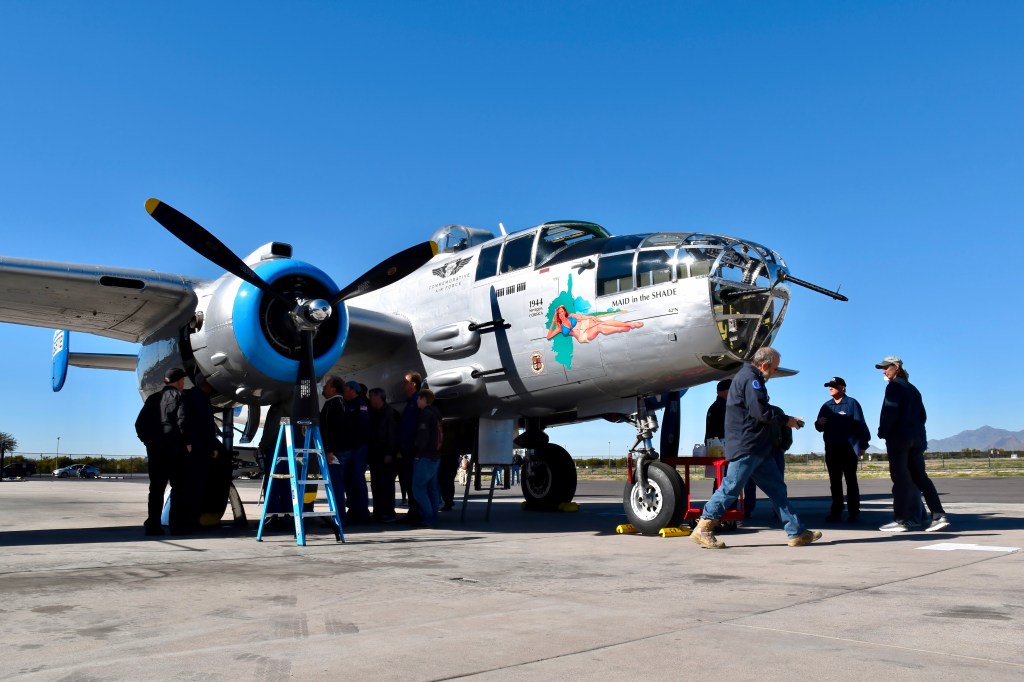

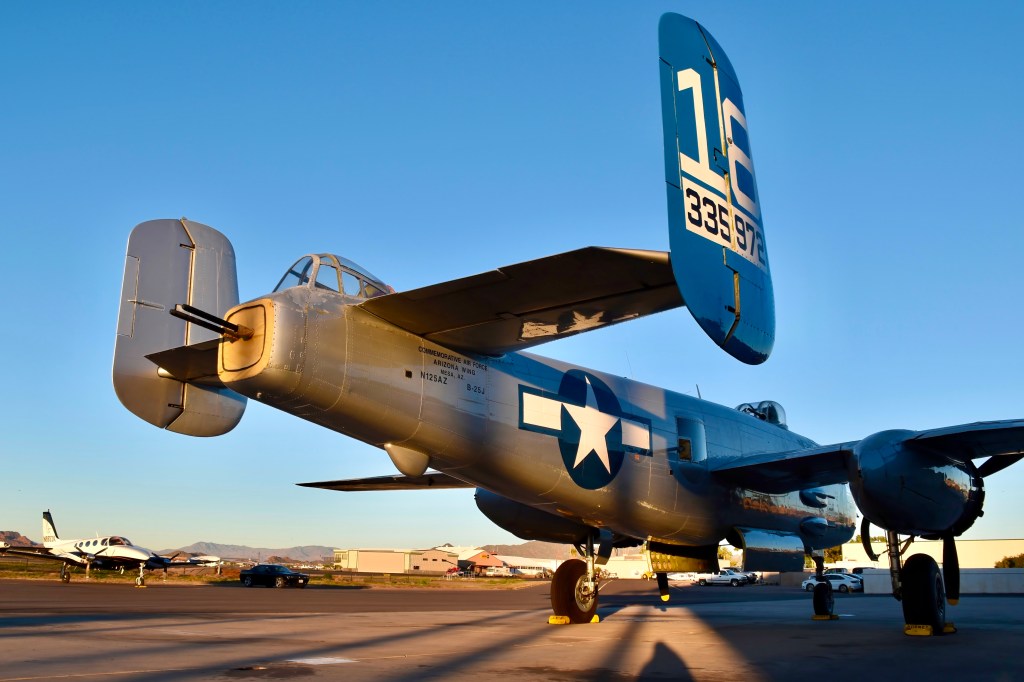
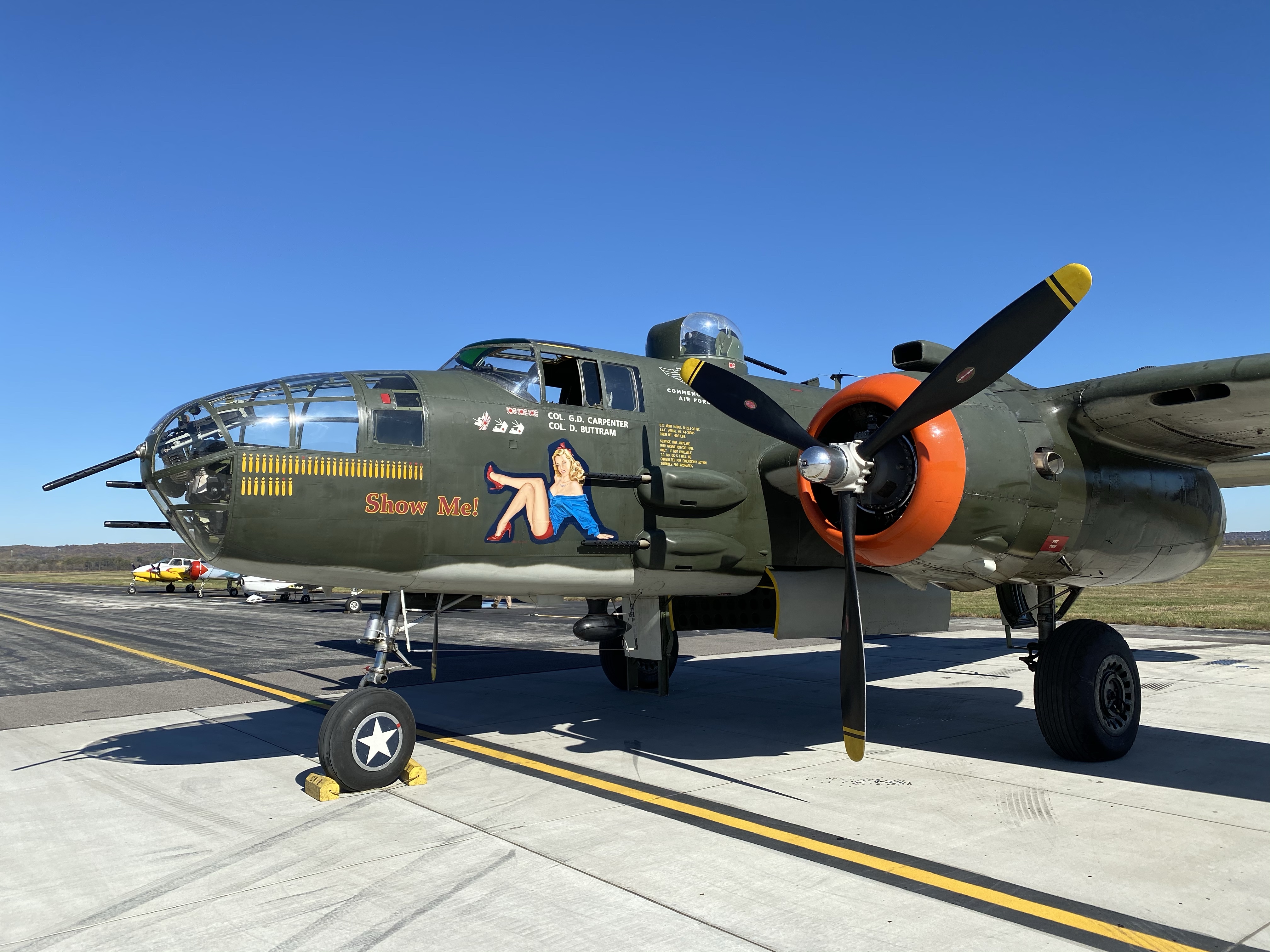
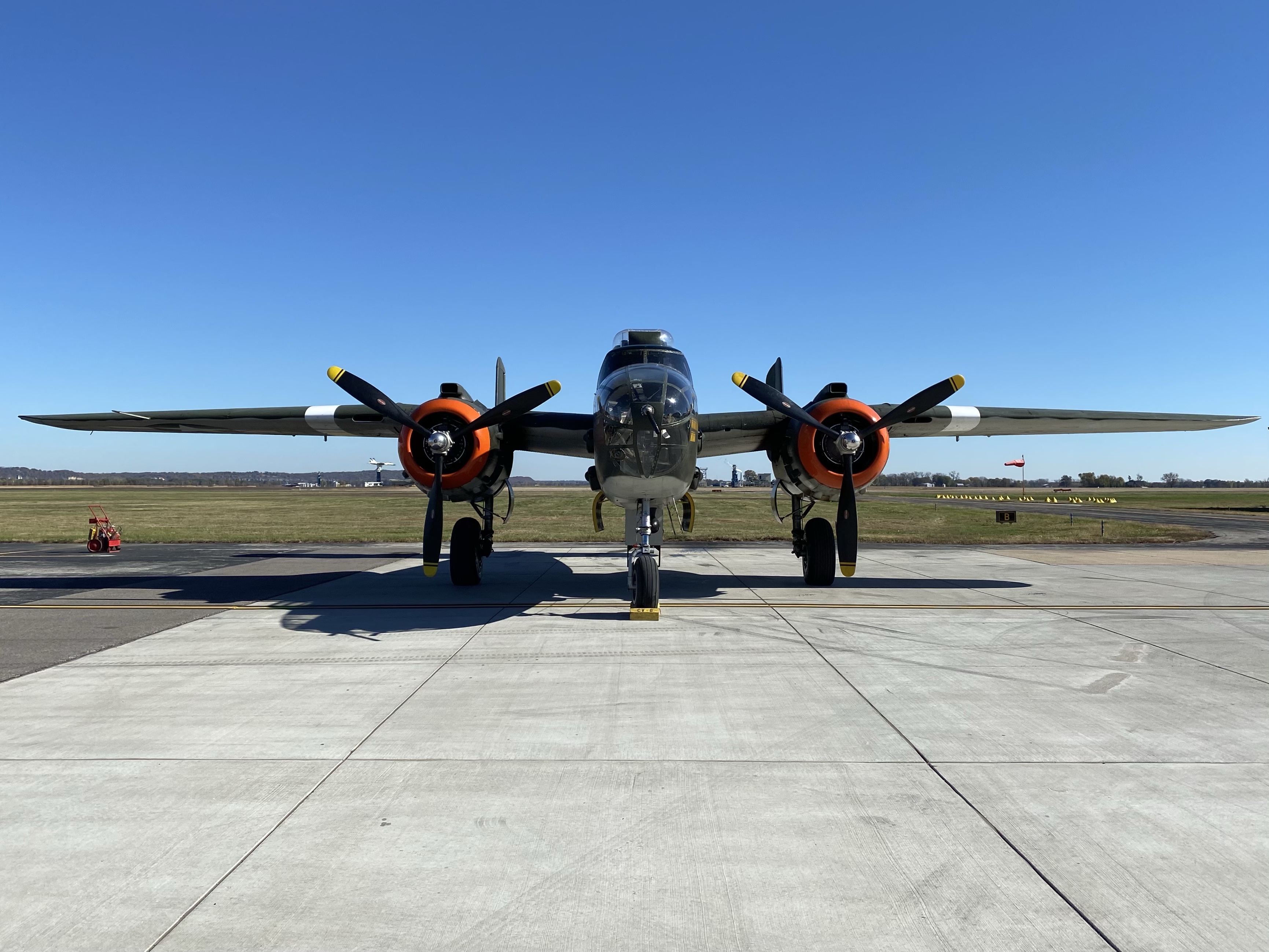
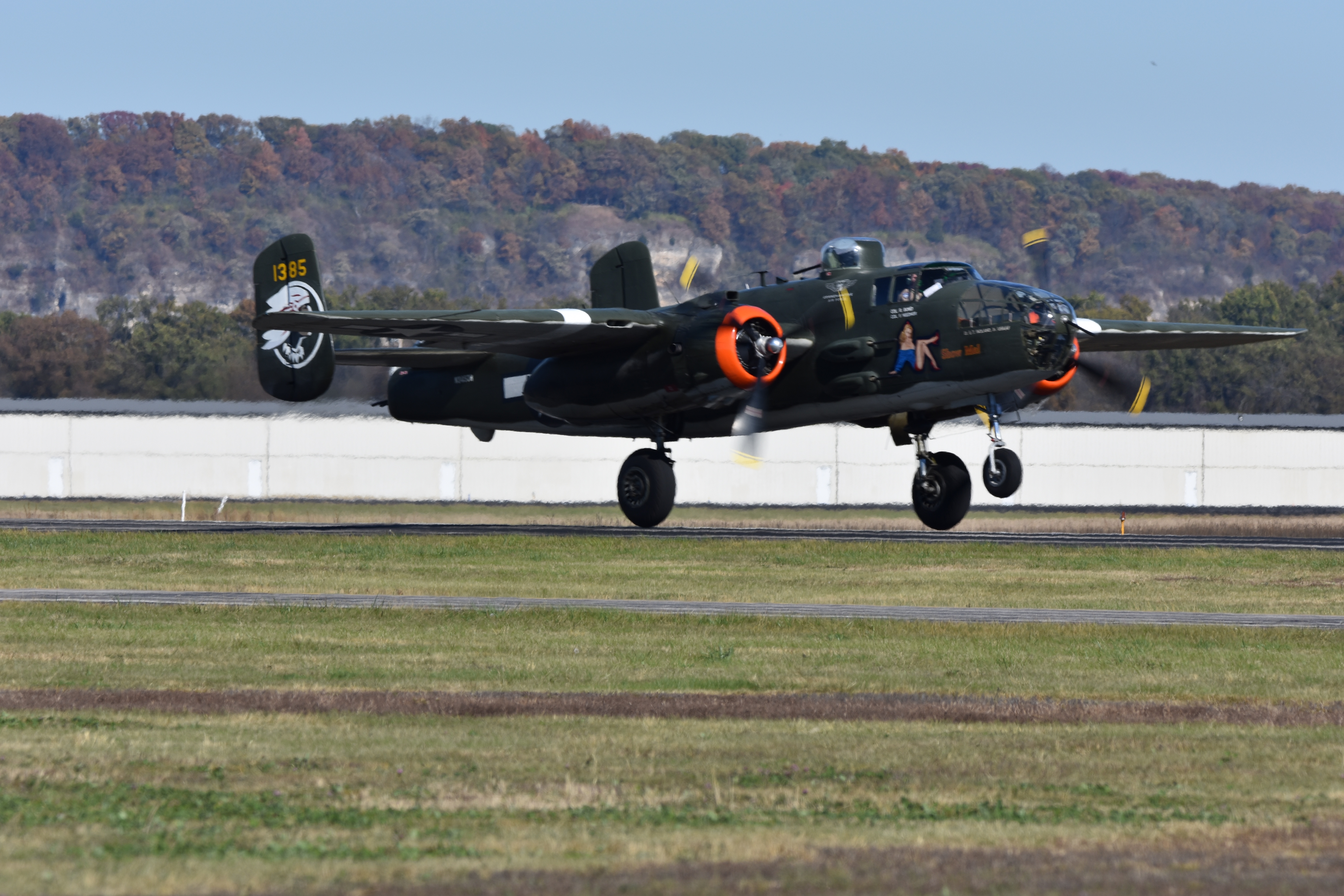
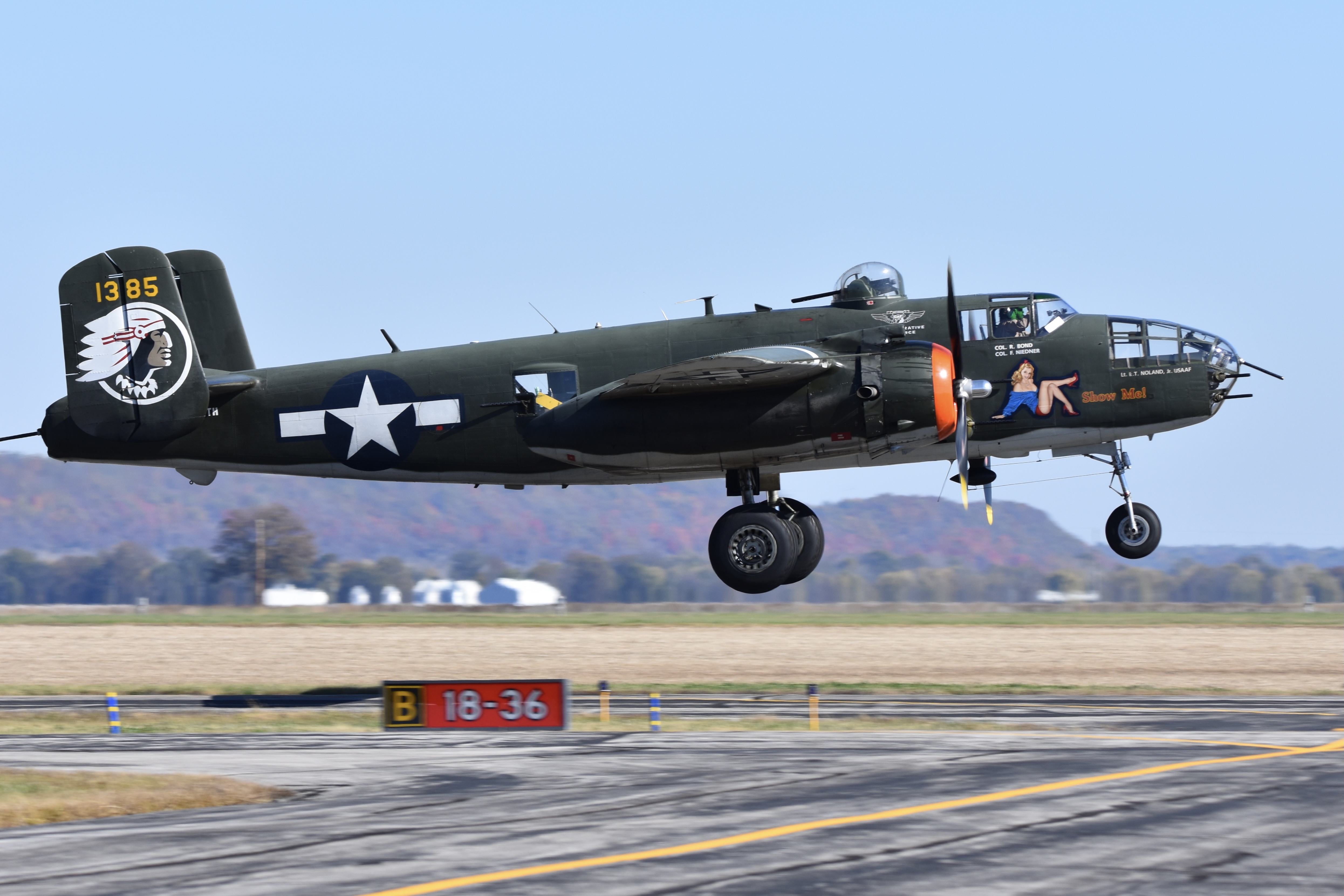
We then made our way to the maintenance hangar where dozens of people had gathered for a barbecue. The smell of burgers and brats permeated the air, and the huge building reverberated with laughter and conversation. I immediately spotted Sentimental Journey in the middle of the hangar where it was undergoing routine maintenance. I made a full circle around the bomber – it was surrounded by all types of tools and equipment and was missing its number four engine. It was odd seeing it in such a vulnerable state. We then made our way toward the back of the hangar to see the unit’s N2S-3 Stearman and SNJ (T-6) Texan before heading back outside to get a closer look at the C-47 and the B-25, Maid in the Shade. We stuck around for another hour or so, catching up with old friends and making plenty of new ones, before turning in for the night.

On Saturday morning, I got my first look at the museum, which is adjacent to the maintenance hangar we had been in the night before. Featuring more than a century of aviation history inside a 30,000-square-foot hangar, it was quite impressive. I was fortunate to get a behind-the-scenes tour with an incredibly knowledgeable docent, and was then “set free” to explore on my own and go shutter-crazy with my camera. The whole facility was bustling – the museum with visitors and the maintenance hangar with all of the crew in town for training. Scott spent the first half of the day hiking, and the two of us reconvened that afternoon for a little R&R before returning to the museum for the awards ceremony.

Just seeing the podium where I’d be speaking nearly brought tears to my eyes, as the backdrop was a massive floor-to-ceiling (and we’re talking tall, hangar-height ceiling!) picture of “5 Grand” – the 5,000th B-17 built after Pearl Harbor. What’s funny is that I actually had a photo of “5 Grand” in my presentation, though luckily it wasn’t the same one. Earlier in the afternoon I had noticed all the tables and chairs set up for the event. Of course, at that time all the seats had been empty, so it looked pretty unintimidating. However, that evening as folks started to trickle in and seats began to fill up,reality set in… I was about to get up there and tell my story to 120 people. All at once I was overcome with excitement, energy, confidence and a healthy amount of nervousness.
The story I told began with how I got into aviation. I talked about how my parents met as flight attendants on Eastern Airlines in the 1980s, and how my dad served in the U.S. Air Force for more than 30 years. I talked about my “Aha!” moment in 2016 when I was walking near MSP airport and an airplane took off right over my head, and I suddenly became hooked. I talked about my love of storytelling and how I started The Great Planes and eventually landed a job with The Boeing Company. I talked about our team, Historical Services, and the great work we do and the incredible value we bring to our stakeholders. And then, last but certainly not least, I spent most of my time talking about my journey with the Commemorative Air Force over the past few years, focusing on my most recent experience with Airbase Arizona and Sentimental Journey.
The presentation went wonderfully. And just as I was stepping down from the podium, my friend Mike Garrett, tour director at Airbase Arizona, called me back up there to present me with a beautiful scale model of Sentimental Journey. It was such a special moment, and one I won’t soon forget.
Afterwards, I got to chat with so many people… some simply thanked me for my talk, others told me about their deep family roots at Boeing. Some were mechanics and some were pilots. There were older folks and plenty of younger ones, too. Many were local to Arizona, but quite a few people had flown in from other parts of the country. In fact, I met one gentleman who was visiting from the U.K. – talk about dedication! Despite our different jobs, our varying ages and our diverse stories, there was one common denominator: our passion for aviation history.
One of the last people I spoke to that evening was Brian Churchill, the pilot who flew “Sentimental Journey” on the Seattle to Arlington flight I took last summer. I had mentioned him during my presentation, as his family is inextricably linked to that airplane. Both his brother, Dale, and his late father, Dick, had flown it. In fact, Dick was on the crew that brought the bomber up to Seattle in 1985 for the B-17’s 50th anniversary.
Brian said he enjoyed my presentation, and asked what Scott and I had planned for Sunday. I told him we were going to drive down to Tucson early in the morning to visit Pima Air & Space Museum and Saguaro National Park. He casually responded with, “Oh… I was going to see if you wanted to go for a fly in the T-6.” My eyes widened and my jaw dropped. “Why are you doing this to me?” I asked.
In retrospect, I probably could have toned down the emotion and responded with a bit more grace, but I couldn’t help but stress over the unthinkable dilemma I was suddenly faced with: stick to our original plans, knowing Scott was really looking forward to seeing Saguaro, or toss those plans out the window and go for the flight of a lifetime. “I can’t,” I told him. “I really, really wish I could… but I can’t.” Brian said he’d take me up next time I was in town, and we parted ways.
Before leaving the museum, Scott and I chatted for a bit with Mike and his wife Thayer. Mike worked at McDonnell Douglas and Boeing for more than 35 years and was my first point of contact last spring when I learned that Sentimental Journey would be coming to Seattle that summer. He and I met in person for the first time last July at Georgetown Brewing just north of Boeing Field. He told me all about Airbase Arizona and the incredible history of “Sentimental Journey,” and provided me some helpful reading material so I could get up to speed on this impressive warbird I was going to fly on a few months from then. Mike is incredibly knowledgeable, which I suppose is to be expected since he is an aerospace engineer. He held some very high ranks at Boeing, retiring as Director of Commercial Airplane Aviation Security. In addition to his work at Airbase Arizona, he serves as a docent at the Museum of Flight in Seattle, where he lives during the summer months.
When “Sentimental Journey” was up here last August, I was able to reconnect with Mike and had the pleasure of meeting Thayer. The two of them are so kind and were hugely helpful to me as I worked to get “all the shots” I wanted of the B-17. And during our time in Arizona, the two of them made us feel right at home. While the four of us were chatting that evening, I casually mentioned Brian’s offer and everyone (even Scott!) told me I absolutely had to do it. Just about an hour after I had sadly declined his offer, I reached out to Brian to ask if the offer still stood. It did.


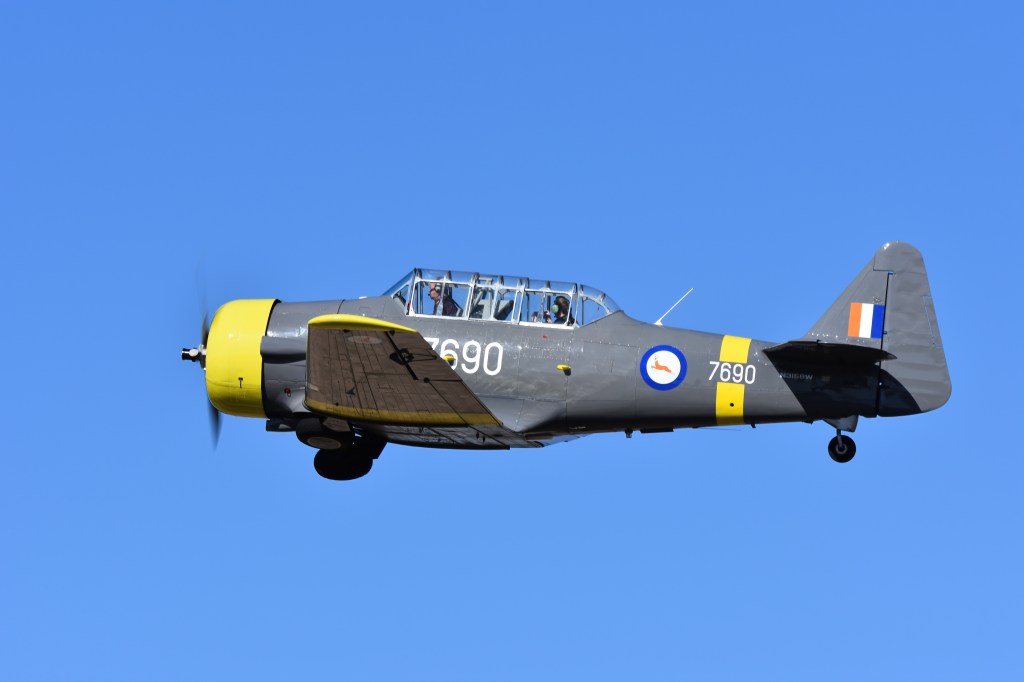

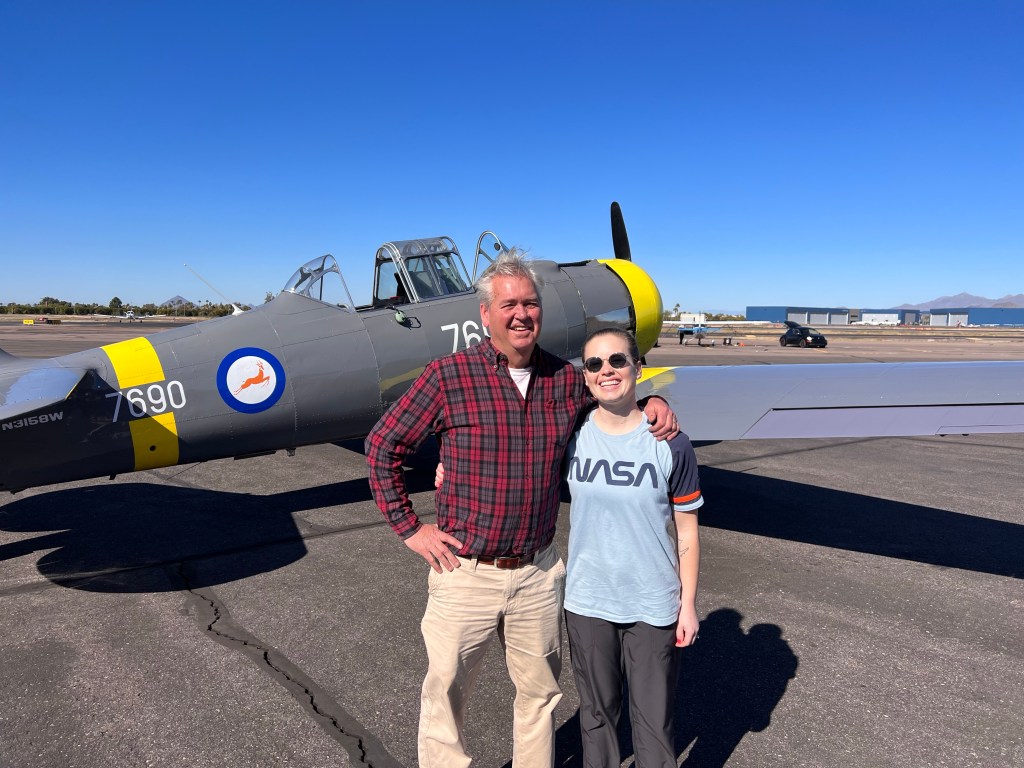

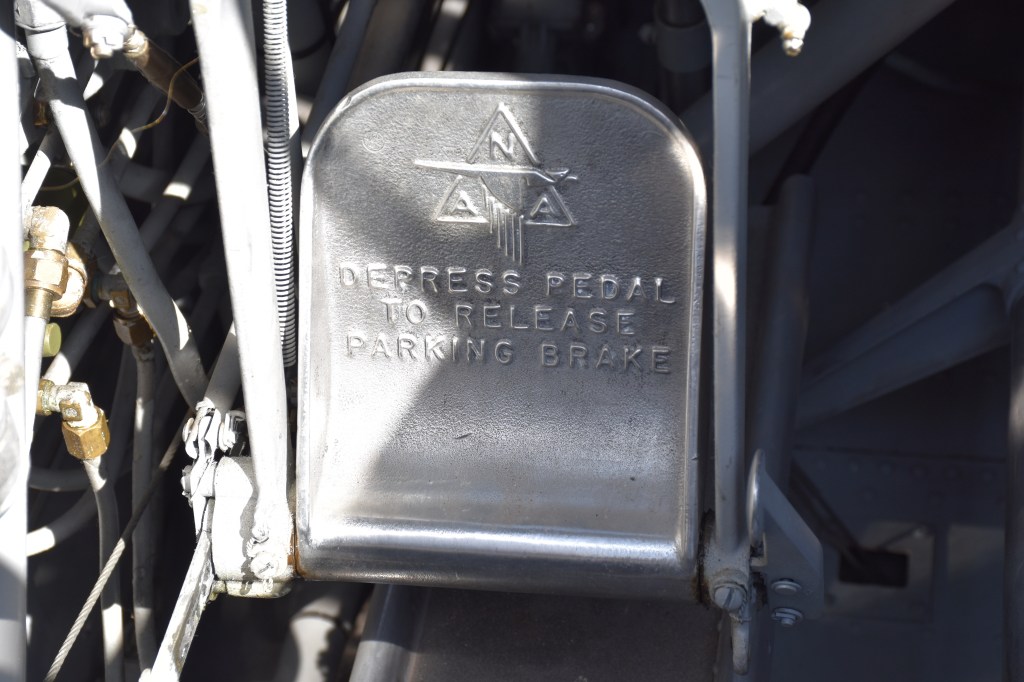
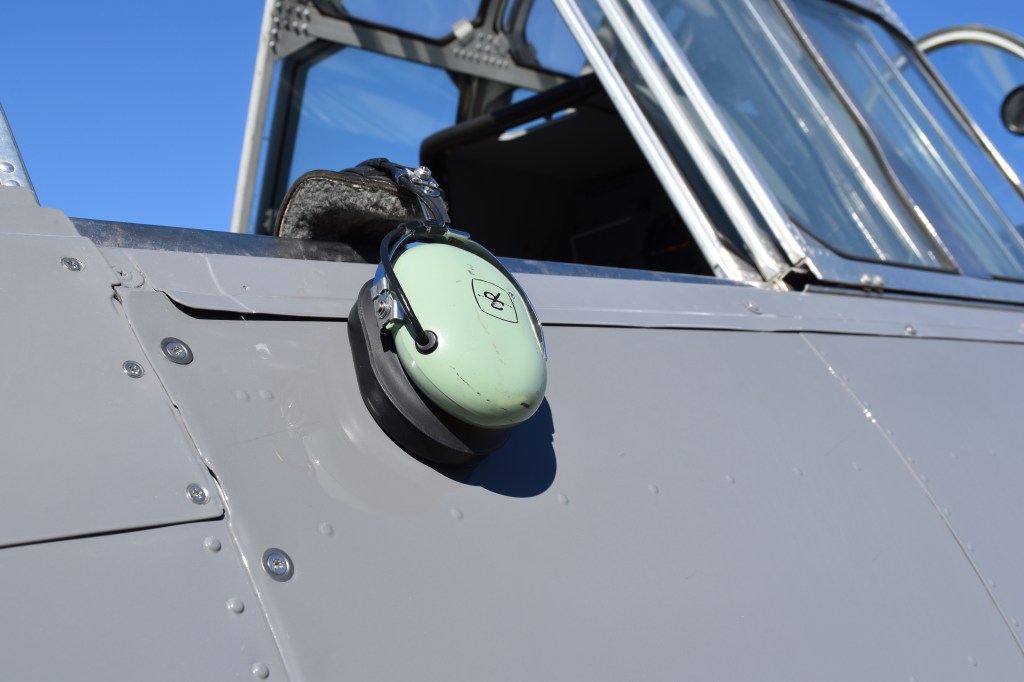
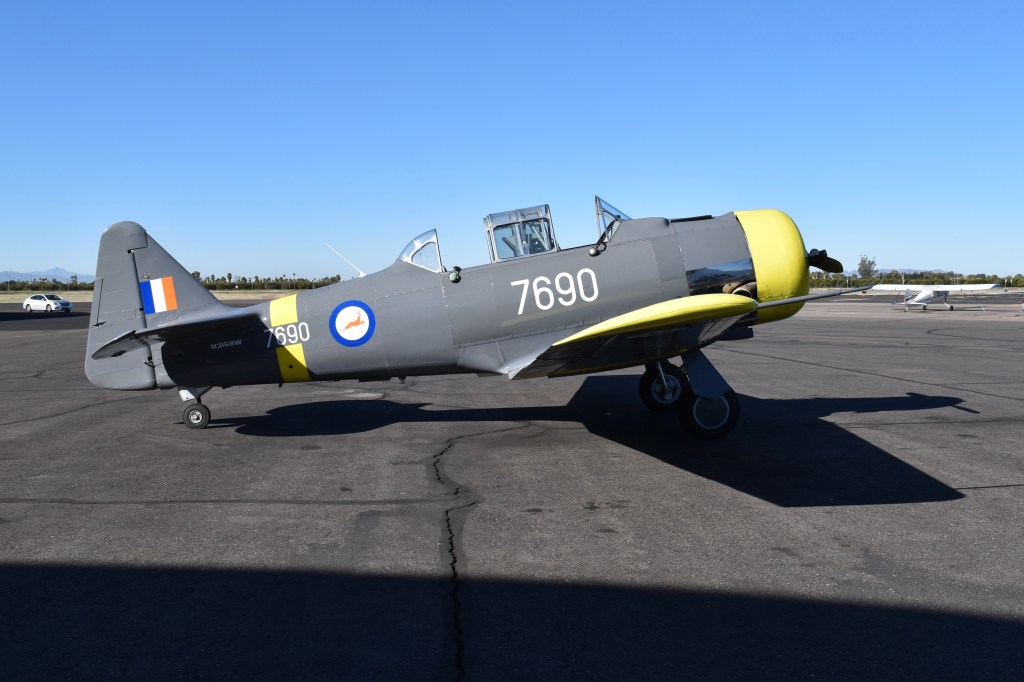
We returned to Falcon Field the next morning, except this time we were headed to one of the famous World War II hangars. Falcon Field was formed in 1941 as the No. 4 British Flight Training School (BFTS). Roughly 2,500 British pilots trained there, as did many American pilots. They’d typically start out in the rugged Stearman PT-17 biplane before progressing to the Vultee BT-13 or the North American Aviation AT-6 (“Texan” to Americans and “Harvard” to the British). Sadly, 23 Royal Air Force pilots died in training accidents during the four years the school was operational, but their legacies live on today thanks to nonprofit organizations like the Wings of Flight Foundation.
Formed in 2007 by Brian and his brother Dale, Wings of Flight is dedicated to preserving the history of the No. 4 BFTS. They maintain and fly a number of World War II airplanes and work to promote and educate others on the importance of what took place at Falcon Field in the early 1940s. Their hangar is awe-inspiring, with two T-6 trainers, a P-51 Mustang, and multiple Stearman biplanes, among other aircraft. And dotted all along the walls are historical photos and informational placards describing the airfield’s history. I walked the length of the hangar several times – I was like a kid in a candy store.
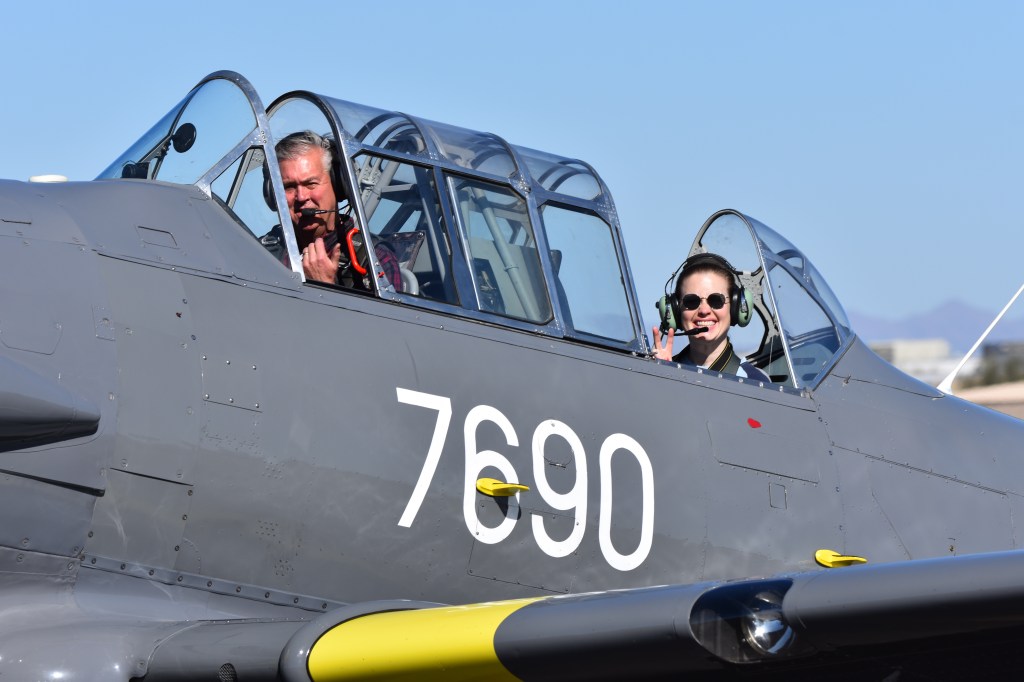
Before I knew it, I was standing with Brian on the tarmac next to his AT-6C, which was beautifully painted in South African colors. It was about 60 degrees outside, with blue skies and bright sunshine – a perfect day for a fly. When Brian told me we’d do a “couple rolls,” I honestly thought he was joking. He wasn’t, as I later found out. We got inside, put our headsets on and Brian started up the engine. We taxied to the end of the runway, then Brian said, “Here we go!” Before I knew it, we had sped down the runway and gently lifted off the ground. We made an incredible turn right over Airbase Arizona, where I saw a decent crowd of people looking up and waving at us.
We continued out into the mountains and Brian said, “You want to fly for a bit?” I quickly and nervously responded, “No… thank you, though.” Then a voice inside me said, “Annie, are you CRAZY?” I got back on the headset and said, “Actually, yes I want to fly!” My feet were too far from the rudder pedals, so I was only using the stick, but boy was that fun. After making a few turns, Brian took over the controls again and I began mentally preparing myself for these… “rolls.”
Brian said it would be so gentle, that if I were holding a glass of water, it probably wouldn’t even spill. And to my surprise, he was right! We did the first roll and I just laughed and laughed and laughed… it was so fun. We did another, and another, and another, for a total of four. I was having the time of my life, and in that moment I got a bit sentimental and really couldn’t believe how far I’d come.
Believe it or not, just seven or eight years ago I was terrified of flying. The phobia came about after a traumatic encounter with severe turbulence a few years earlier, and it just got worse and worse. In fact, it had gotten so bad that a single bump would put me in hysterics. I’d cry almost uncontrollably and start looking around the airplane to see how everyone else was reacting to the fact that we were most certainly “going down.” I had to do something. And that’s when, perhaps by some divine intervention, I had my “Aha!” moment in Minneapolis. I started counseling for my anxiety and began immersing myself in all things flight – hanging out at the airport, reading books, watching documentaries… the list goes on. Before I knew it I had gone from afraid, to unafraid, to unabashedly obsessed with flight. I started flying at every opportunity… in big planes and small planes and yes, in recent years even in World War II bombers. And now here I was in 2023, in the backseat of a 1941 T-6 doing barrel rolls.
That evening on the flight back to Seattle, I got a little emotional. Our time in Arizona was just fantastic, but it went by much too quickly. I wasn’t ready to leave. But the good news is, that wasn’t “goodbye,” it was just, “see ya later.” I’m so grateful to the Commemorative Air Force and to Airbase Arizona for providing me this opportunity. Being able to speak to such a distinguished crowd was both thrilling and humbling. A special thanks to Mike and Thayer, too, for your overwhelming kindness and for making me feel right at home in Arizona. And to Brian, your selflessness and the work you’re doing at Wings of Flight is so inspiring. And I’m so glad I took you up on that offer. And to all the other dedicated and passionate individuals I had the pleasure of meeting at Airbase Arizona that weekend, thank you for all that you do.
To blue skies and tailwinds!


 The Great Planes