Betsy to Heavens

The Douglas DC-3 is universally recognized as the greatest airplane of its time, and many would argue it’s the greatest airplane of all time. The all-metal low-wing monoplane was the height of luxury when it entered service in 1936 with American Airlines. And by the end of the decade, 90% of airline passengers were flying on a DC-2 or a DC-3. In fact, the DC-3 was the first airplane in history to make money simply by flying people.

When World War II broke out, the DC-3 was quickly adopted by the military as the C-47 Skytrain (the British called it the Dakota). Major differences included a strengthened floor and a large cargo door. Douglas built more than 10,000 C-47s at its Southern California and Oklahoma City plants. A number of civilian DC-3s were pressed into military service as well.

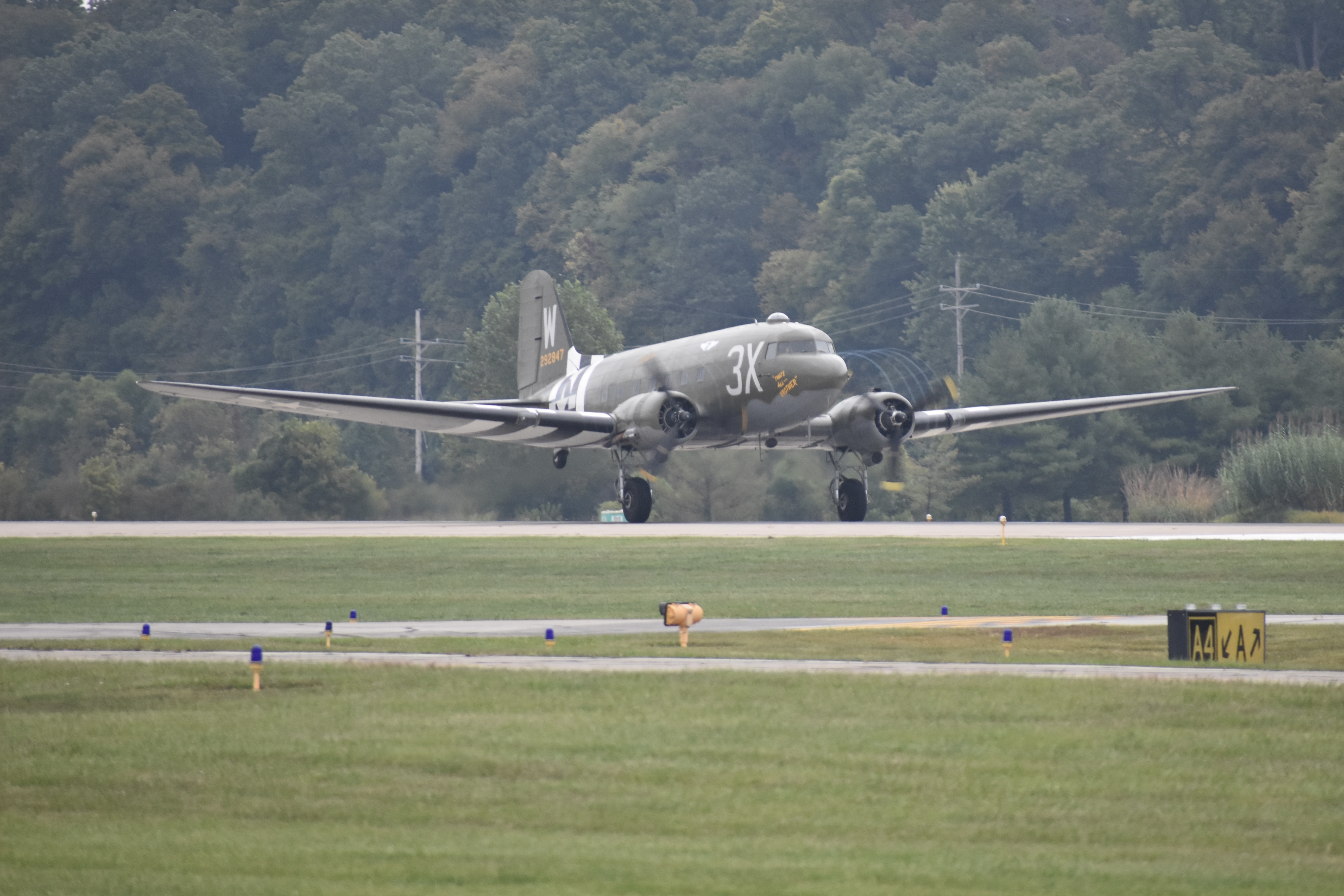
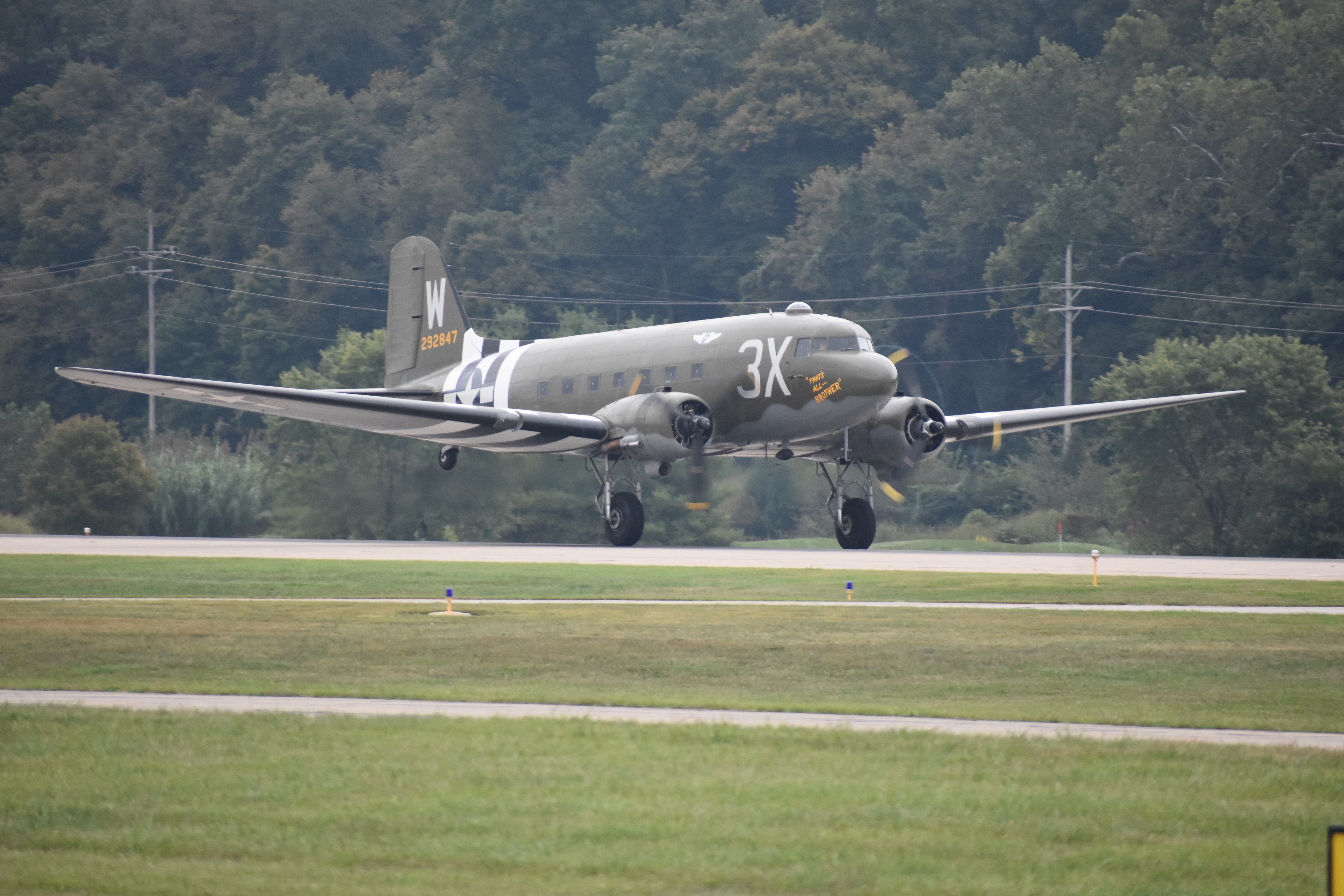
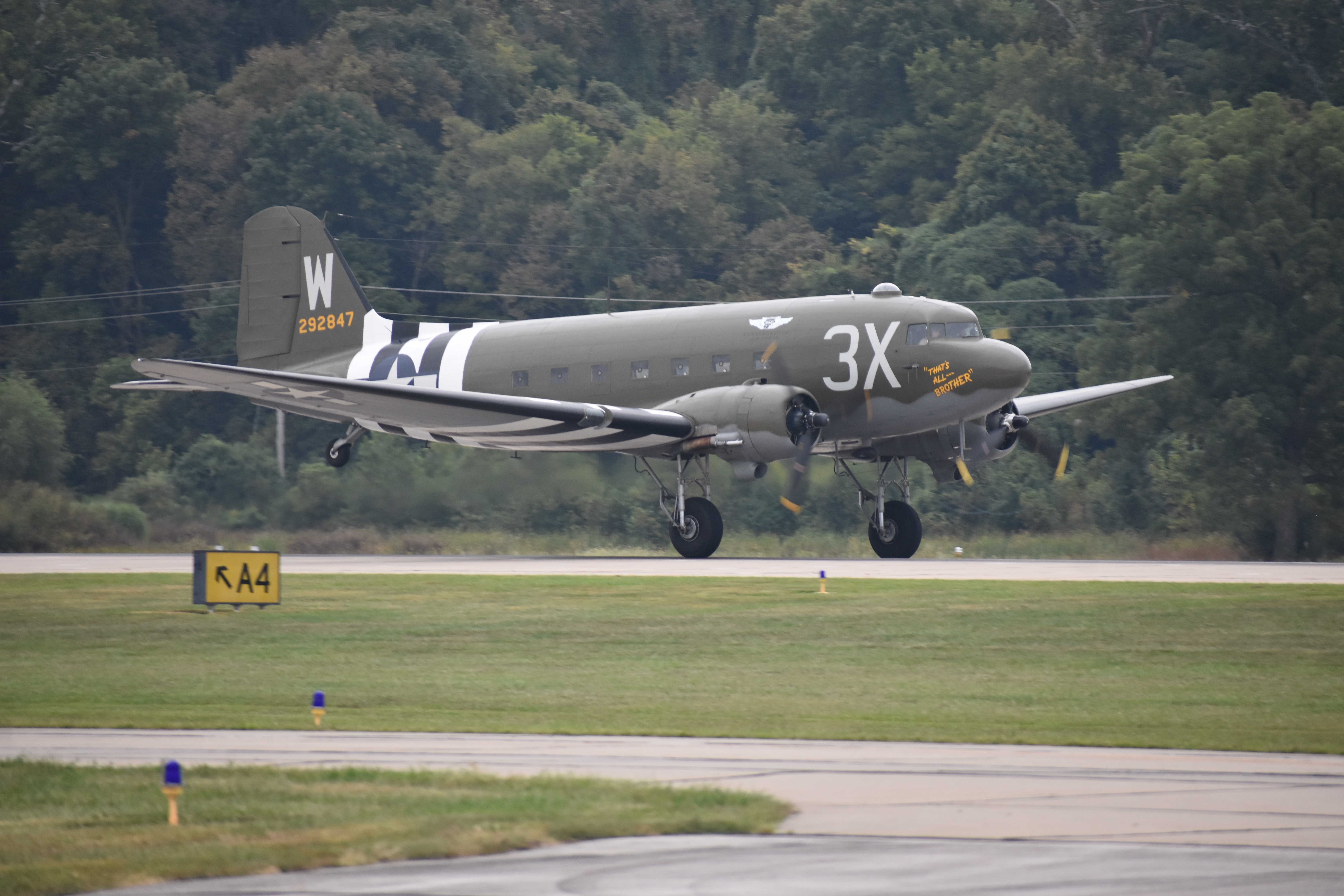
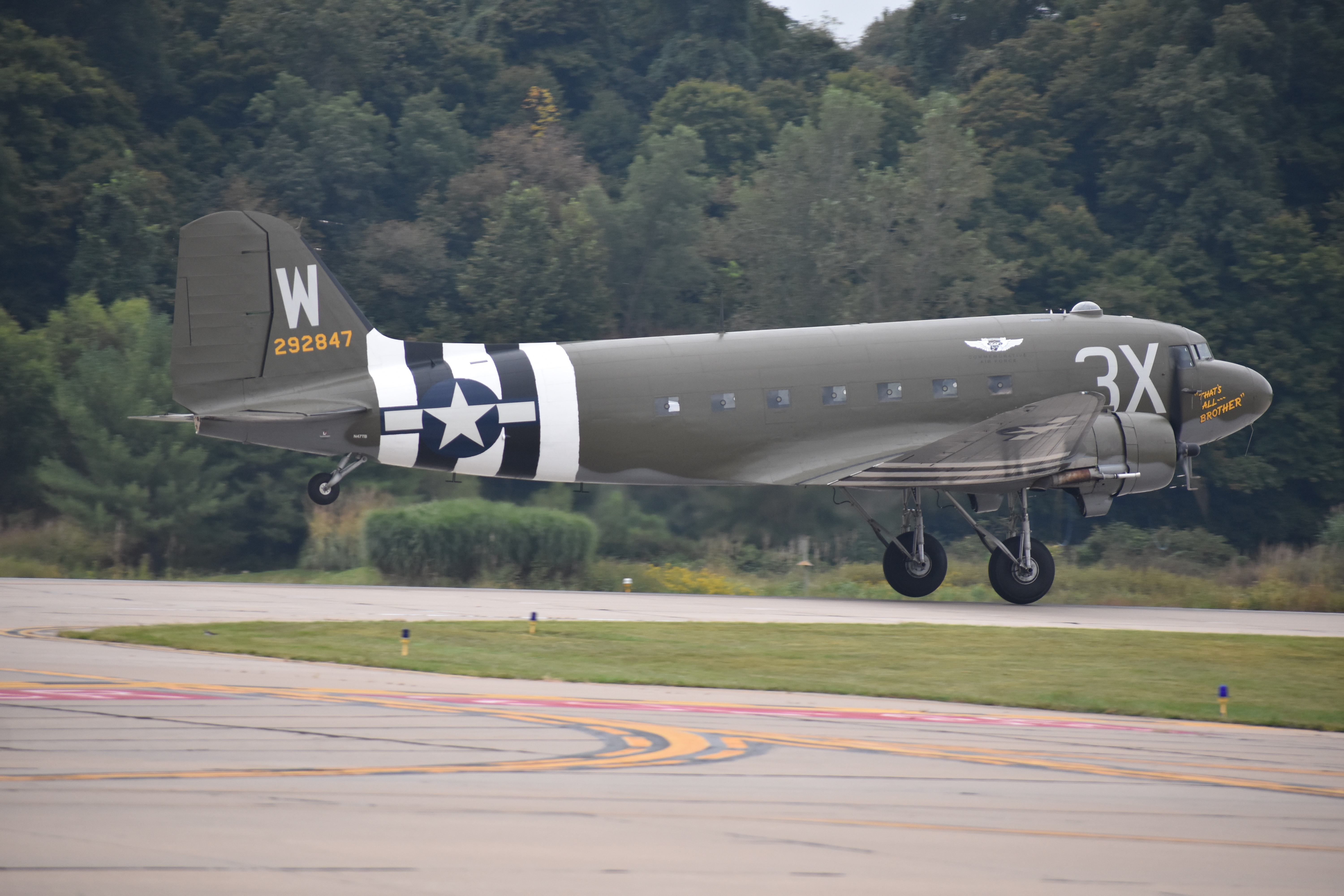
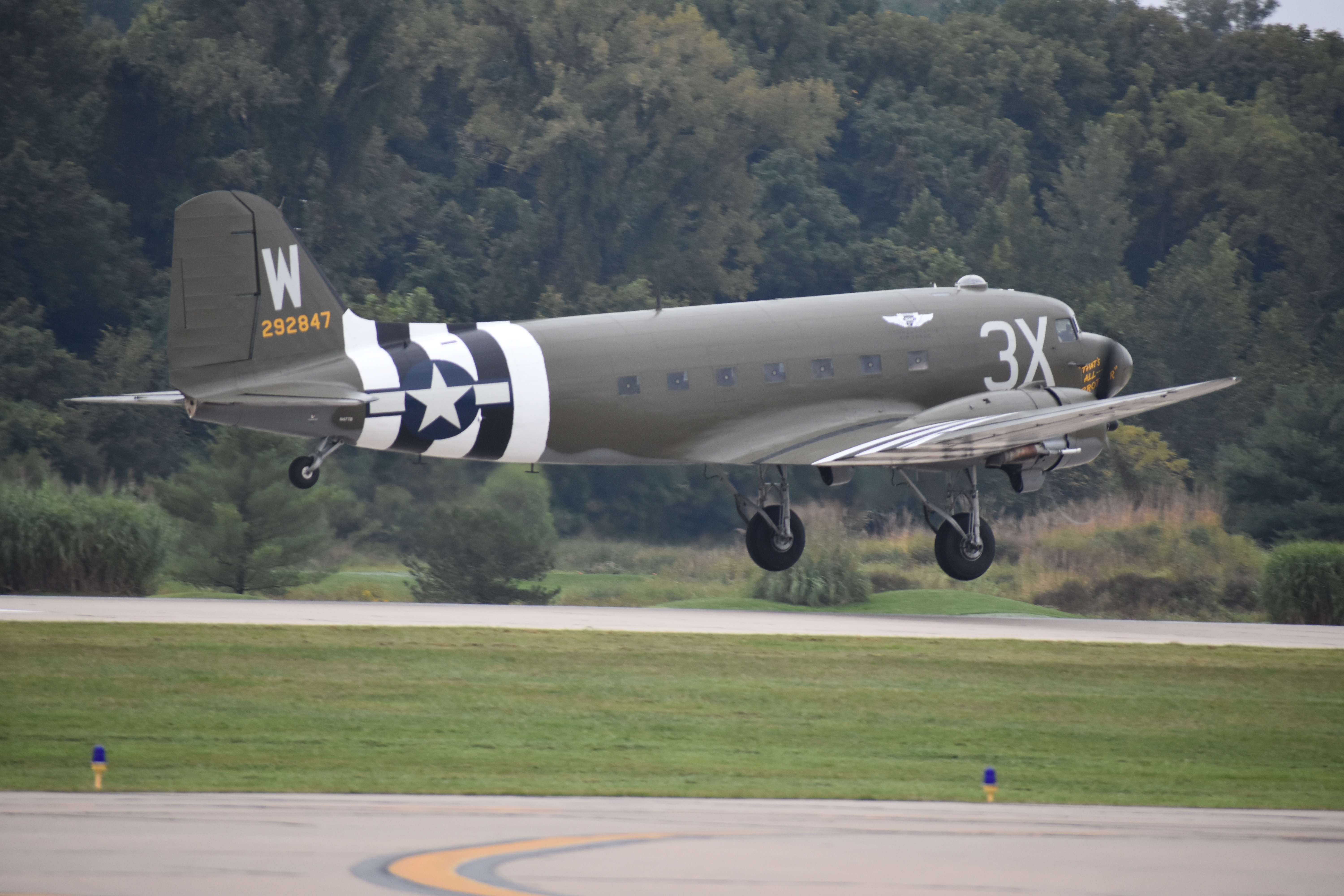
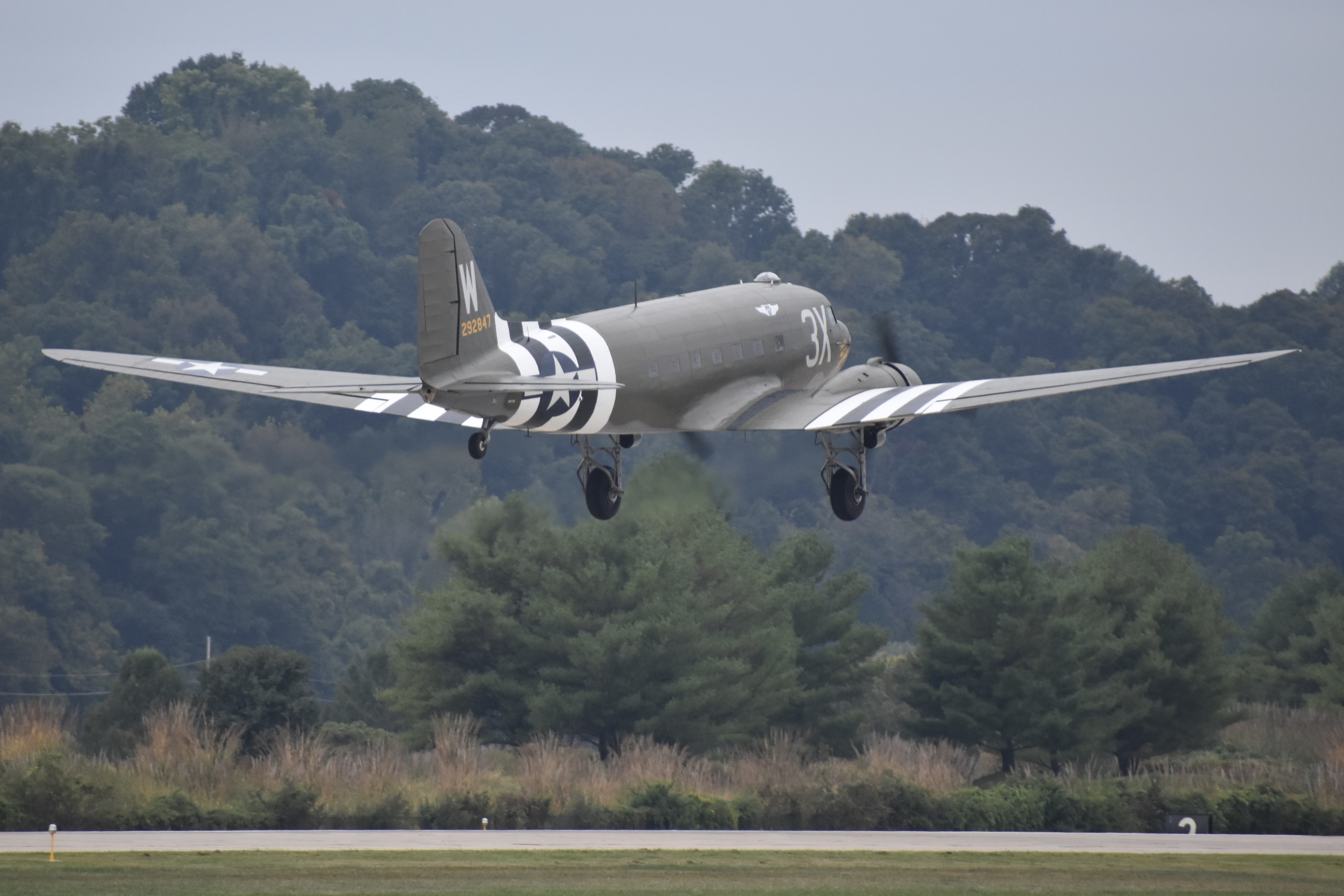
During the war, the C-47 was indispensable. It’s perhaps best known for its role on D-Day, when an aircraft named “That’s All, Brother” led more than 800 C-47s in the largest seaborne invasion in history. The planes dropped thousands of paratroopers on the beaches of Normandy, beginning the liberation of France.
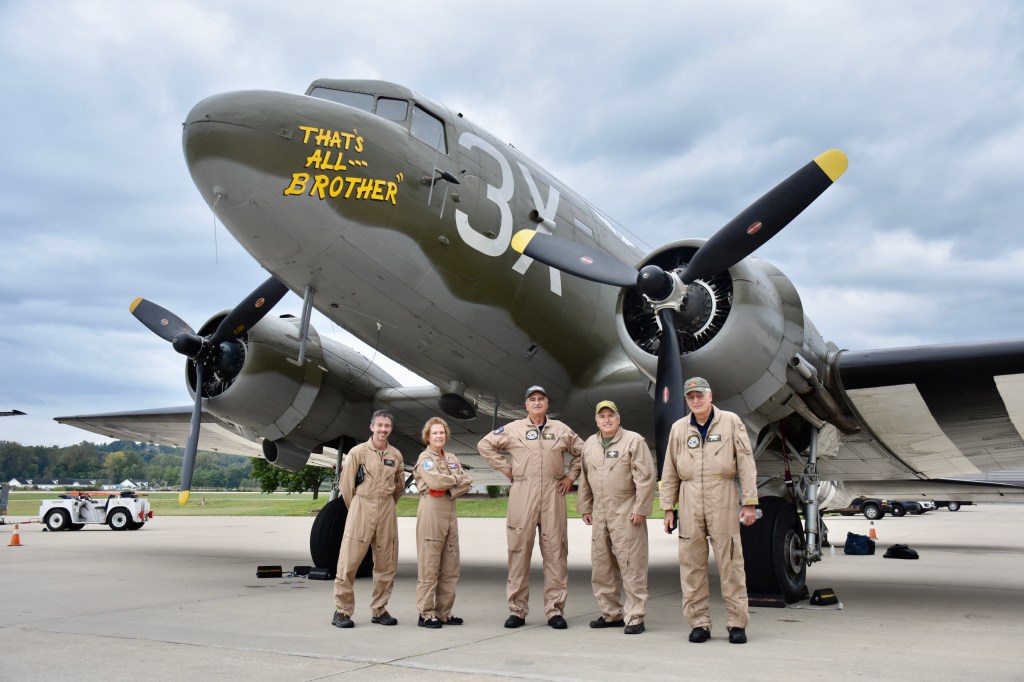
“That’s All, Brother” is one of roughly 100 DC-3/C-47 aircraft still flying today. In fact, it was the first one I ever set foot on. Back in September 2020, the famous airplane — operated by the Commemorative Air Force (CAF) Central Texas Wing — paid a visit to Spirit of St. Louis Airport on its way to Washington, D.C., for the flyover commemorating the 75th anniversary of the end of World War II. 
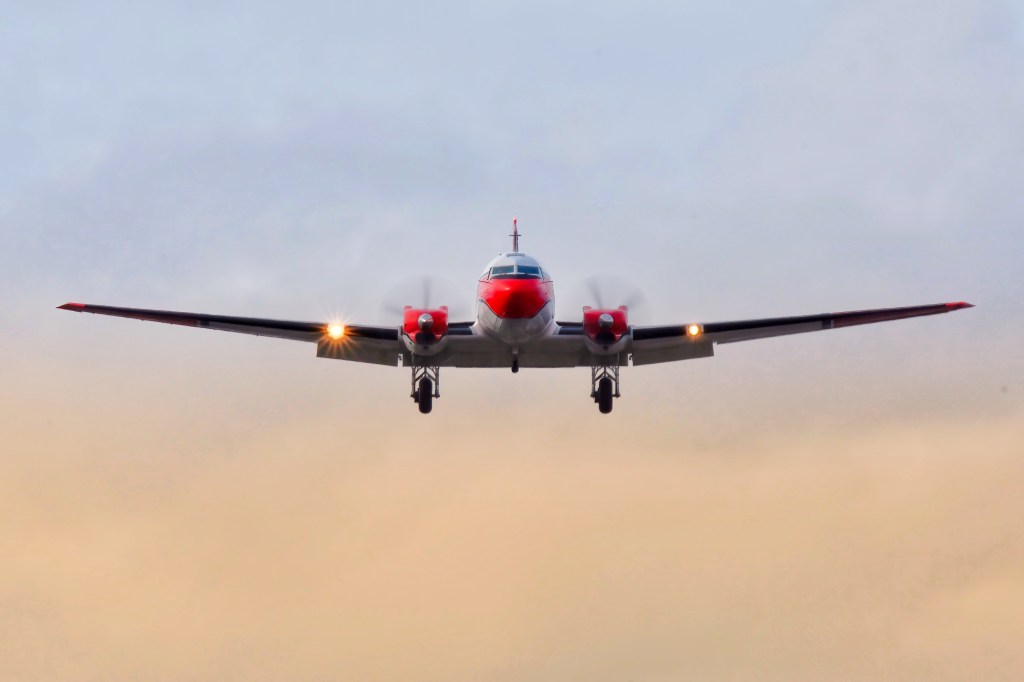
I’ve been fortunate to catch a couple other C-47s in flight over the years, including one used for aerial imaging and even one of the famous Basler BT-67 turboprop conversions. But I knew…. I just knew that one day I wanted to fly in one myself.

Well, that day finally came last month in beautiful Auckland, New Zealand. I had been in Australia for almost three months on a work assignment to learn about Boeing’s nearly 100 years of heritage in the country. My husband Scott flew out to meet me on the tail end of the trip, and the two of us ventured to New Zealand for a brief  vacation before returning to the U.S.
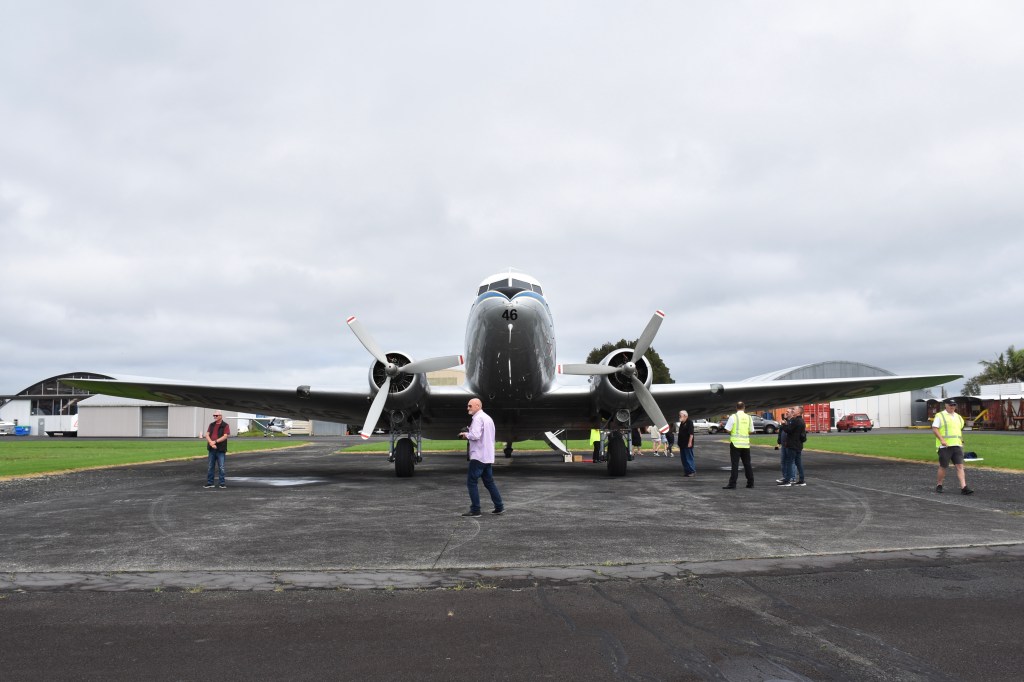
I had done a bit of research on scenic flights around Auckland, and when I found Fly DC-3 New Zealand, I knew it was “the one.” Of course, the fact that we were going to fly on a commercial aviation time capsule was reason enough to book this particular flight, but when we got to know the couple who runs the operation… that was just the icing on the cake (let’s make it a vanilla slice).

Geoff Cooper is the airplane’s chief pilot. The retired Air New Zealand Boeing 777 captain used to fly the C-47 with the Royal New Zealand Air Force. His wife, Jessica, leads the cabin crew — the same job she did years ago, also with Air New Zealand. And let me tell you… they do everything right.
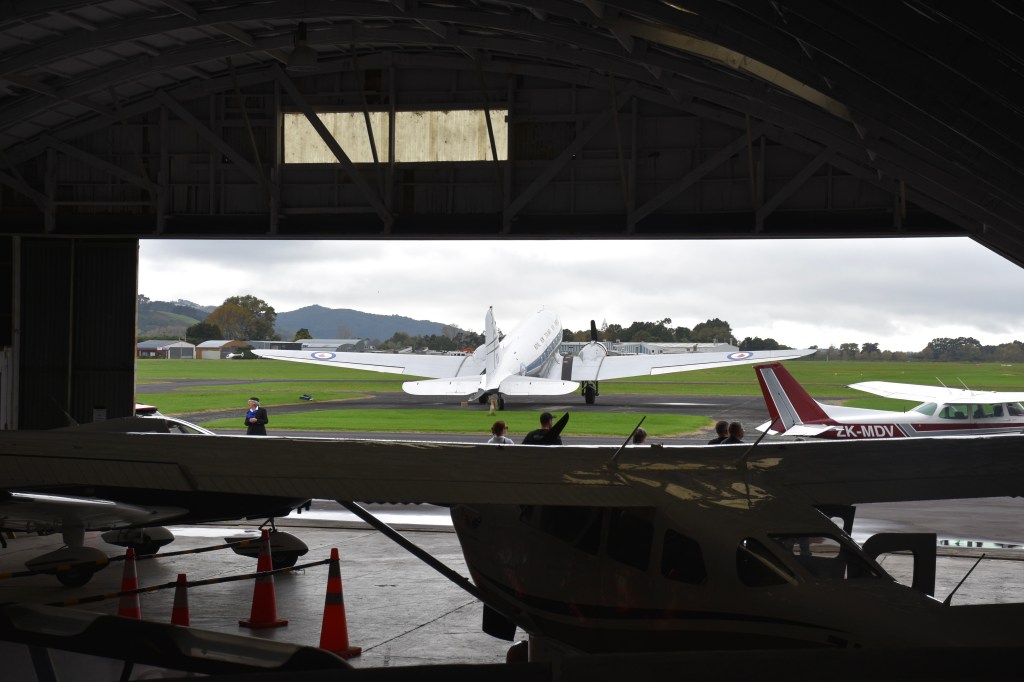
Passengers start their experience by walking into an authentic World War II hangar at Ardmore Airport, about 30 minutes southeast of Auckland. There they are greeted by cabin crew dressed in 1940s style uniforms with music from the era playing and nostalgic artifacts on display. They enjoy coffee and snacks while listening to a preflight briefing, then step outside the hangar and onto the tarmac, where beautiful Betsy awaits. 

One of more than 5,000 C-47s built by Douglas in Oklahoma City, Betsy entered service with the U.S. Army Air Forces in 1944. In 1959, the plane was delivered to Philippines Airlines where it remained for more than a decade. In the 1970s and 1980s, it flew with a variety of Australian airlines before coming to New Zealand in 1987.

Today, Betsy wears the beautiful colors of the Royal New Zealand Air Force No. 42 squadron and is just about the closest thing to a time machine that exists in the world today. I had been looking forward to this flight for at least 6 months, so when the day finally arrived, I was over the moon with excitement.

The morning of the flight, Geoff and Jessica kindly offered to pick me and Scott up from our hotel, since we didn’t have a car. When we arrived at Ardmore, it was rather dreary — gray skies, misty and hovering around 60 degrees — but that didn’t matter. To me, Betsy shone brighter than the sun.

We got to watch the pilots do all their checks and Scott even rode along for the engine run-up. Then we were given free rein — it was time to go shutter crazy. Passengers began arriving about an hour before the flight. You could feel the excitement within the hangar once everyone had arrived. With close to 30 passengers, it was a full flight.
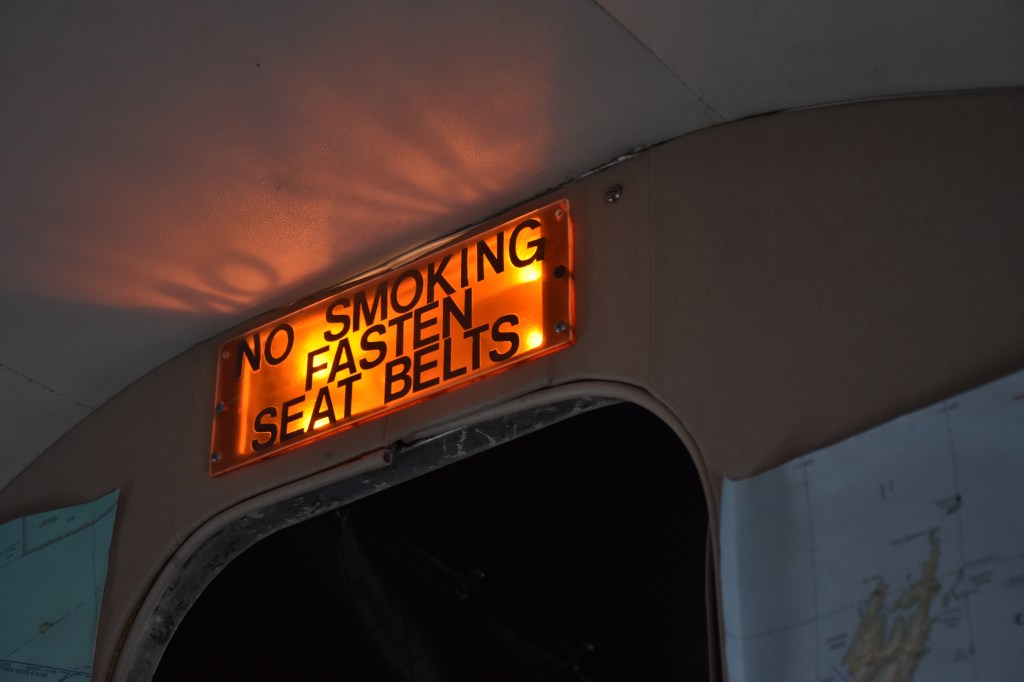
We boarded and got a safety briefing, and before we knew it we were ready to go. By that time, the sun had begun to peek through the clouds — it was a seemingly perfect day. The two Pratt & Whitney Twin Wasp engines purred as we taxied and roared as we powered down the runway. Seeing the prop vortices from inside the plane was one of the coolest aviation-related experiences I’ve had to-date.

When we lifted off the ground, it was sheer magic. To simultaneously defy gravity and travel back in time… what more could an airplane enthusiast / aviation historian ask for? Unfortunately, Betsy’s main landing gear wouldn’t retract, meaning our flight was cut short. But to be honest, that didn’t matter to me one bit. The most important thing is that we landed safe and sound. Plus, we still got to experience the flight of a lifetime.

To Geoff and Jessica… words can’t express how grateful I am to have met the two of you and to experience flight in your beautiful bird. I will always look back fondly on that morning when Betsy took us away from the real world, and up to the heavens.

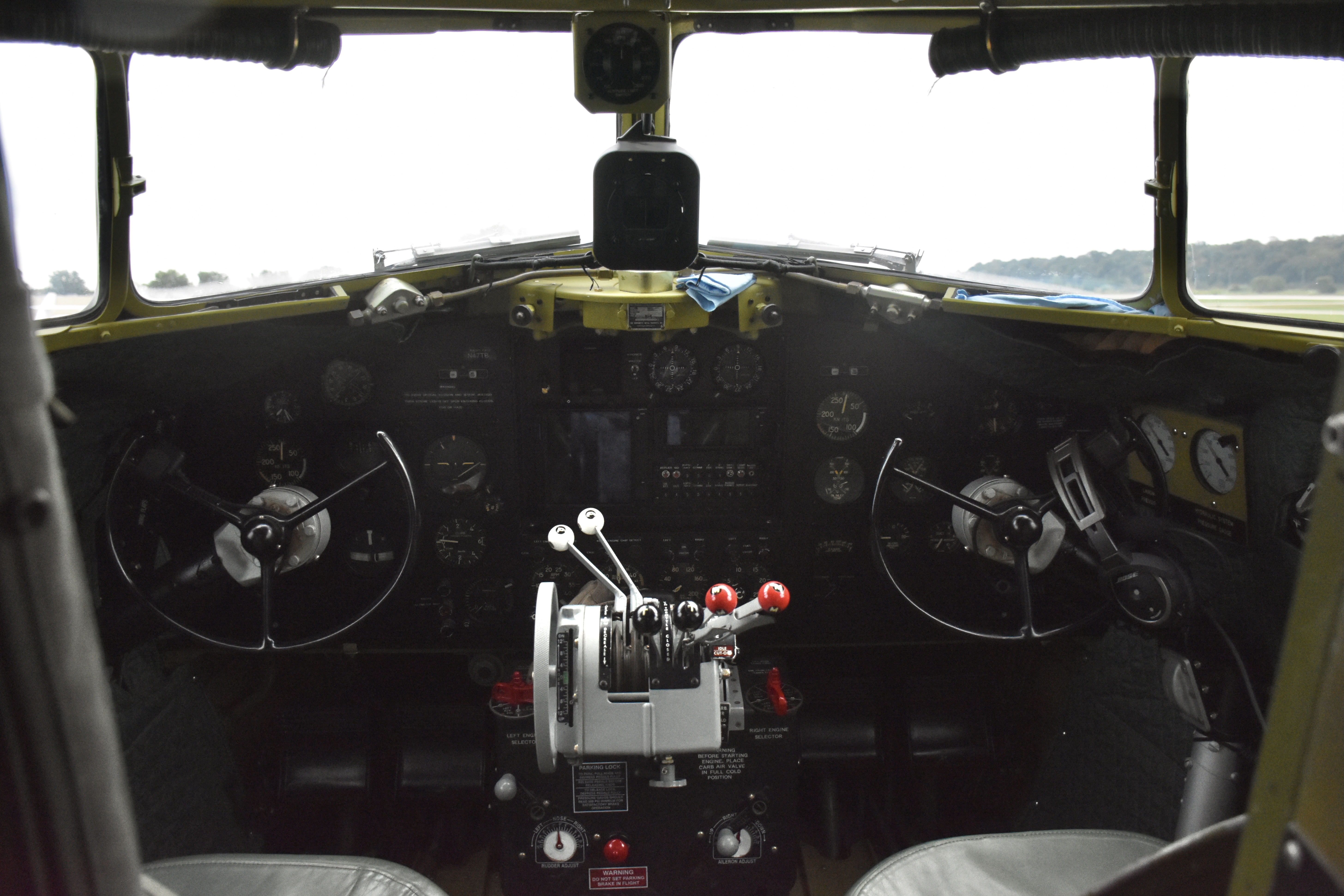
That’s All, Brother

June 6, 1944. D-Day. A Douglas C-47 Skytrain named “That’s All, Brother” leads more than 800 other Skytrains to the beaches of Normandy to drop 13,000 paratroopers into the German-occupied region of Western Europe. This was the start to Operation Overlord, which lasted nearly three months.

On D-Day alone, 4,414 Allied troops were killed, with at least 5,000 more wounded or missing. It’s estimated that between 4,000 and 9,000 Germans went missing or were wounded or killed that day.

The operation ended in an Allied victory on Aug. 30, 1944.

Seventy-five years later, “That’s All, Brother” is still flying thanks to an incredible restoration effort by the Commemorative Air Force. The legendary aircraft made a stop in St. Louis this week, on its way to Washington, D.C., for the Arsenal of Democracy Flyover to commemorate the 75th anniversary of the end of World War II.

I had the chance to hop on the plane and take some photographs while it was refueling at Spirit of St. Louis Airport (SUS) Wednesday morning, and I can’t tell you what an incredible, emotionally charged experience it was. To think that this very aircraft I was standing inside played such a pivotal role on the most decisive day of World War II was something I just couldn’t comprehend. I was smiling and teary eyed, happy and sad – all at the same time.

When the C-47 left SUS, I watched it fly low and slow across the gray morning sky. I listened intently to the hum of its two Twin Wasp engines. I tried to imagine what it would have looked like, and what it would have sounded like, that day when it lead 150,000 soldiers to Normandy. It’s hard for me to imagine, as I’m sure is the case for most millennials.

I continued to follow the black dot in the sky until it eventually faded into nothing, and all I could think about was how brave those soldiers must have been, and how important it is that we keep their legacy alive. I’m so grateful to the crew of “That’s All, Brother,” for their genuine kindness and for the work that they and the others at the Commemorative Air Force do to maintain the world’s largest flying museum.

Be sure to watch “That’s All Brother” and other World War II aircraft Friday, Sept. 25 during the Arsenal of Democracy Flyover. Live coverage begins at 10 a.m. ET: https://ww2flyover.org/live/

Learn more about the Commemorative Air Force: https://commemorativeairforce.org/

A Very Great Plane: The Douglas DC-3

I just heard one of my favorite sounds in the world – a prop plane flying nearby. That sound tends to bring my mind back to the early days of aviation, and this time was no different.

Over the last few weeks I’ve become mildly obsessed with the Douglas DC-3… would you believe that there are still thousands of those planes flying? December 17, 1935 – that was when the first one took to the skies. Sometimes I actually forget that planes were around that long ago, but they certainly were. The DC-3 was the “cream of the crop” in the aviation industry during those years and is credited today with having revolutionized air travel in a number of ways.

Breitling.png
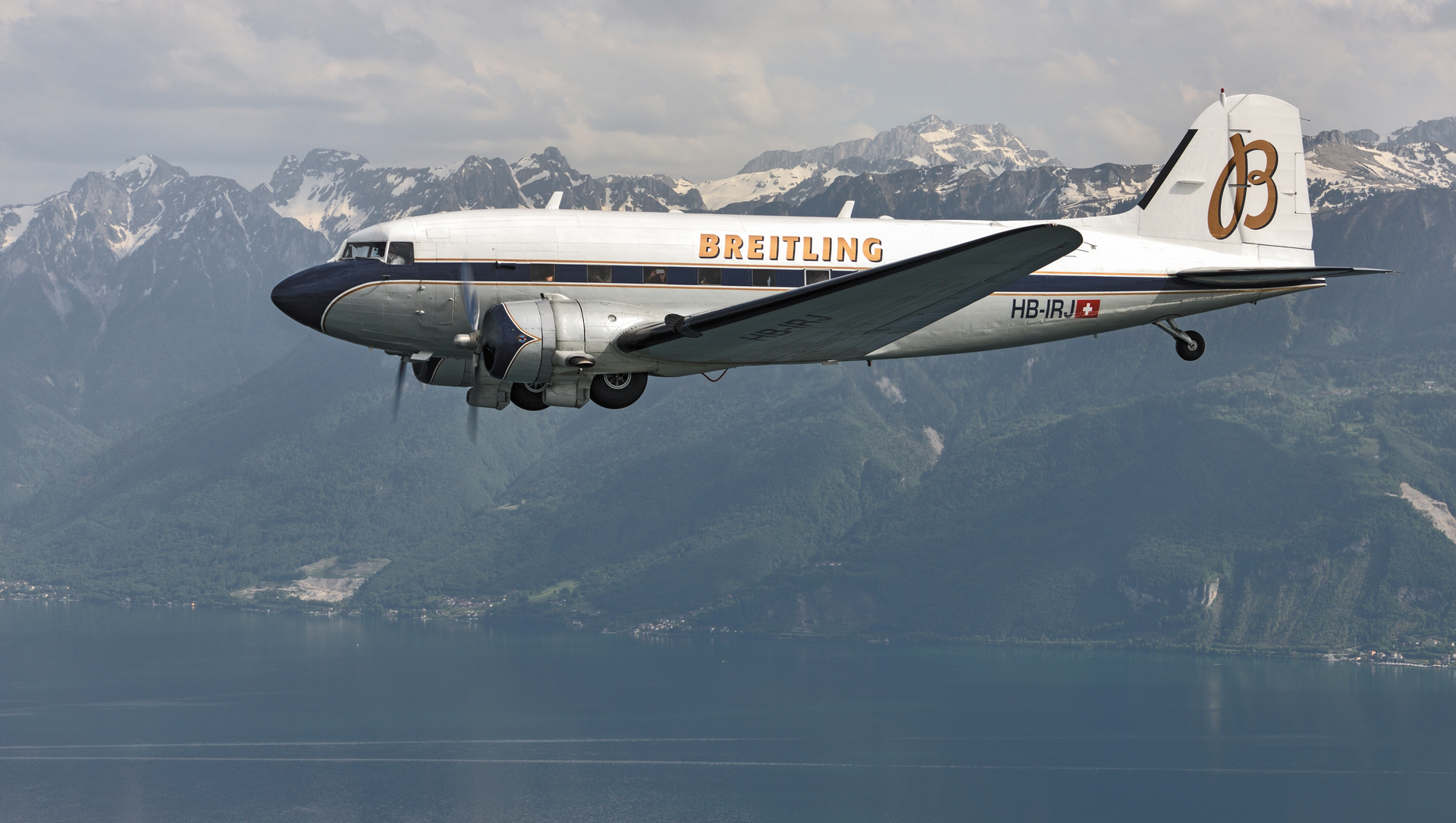
A Breitling Douglas DC-3, Photo Courtesy: Breitling

Before the DC-3 came around, there were two other planes that had a strong foothold in the market: the Boeing Model 247 and the “Tin Goose” Ford Trimotor.

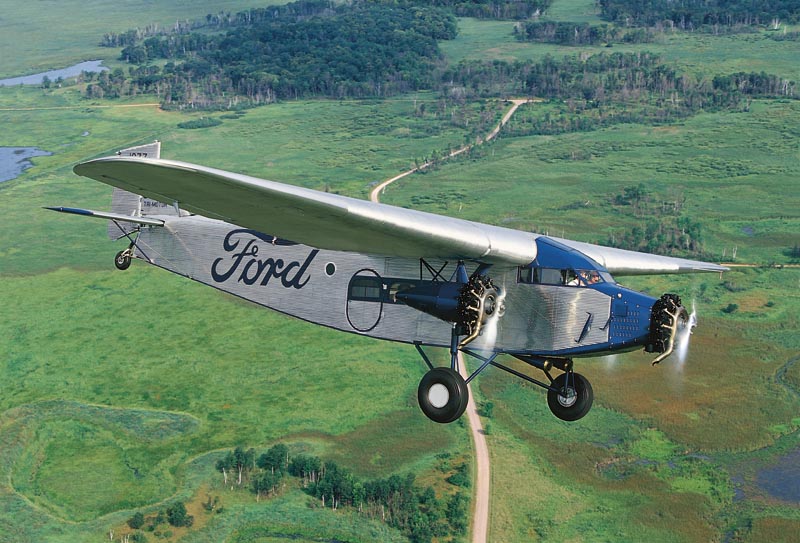
The Trimotor first flew in June 1926, powered by (you guessed it) three engines – Pratt and Whitney Wasps. Transcontinental Air Transport (which would later become TWA) pioneered coast-to-coast service with the Trimotor. The plane was strong and sturdy, but unfortunately didn’t have what it took to stand up to the two competitors that would enter the market several years later – the 247 and the DC-1.

FORD_1.jpg
A Ford Trimotor, Photo Courtesy: Golden Wings Flying Museum

The Boeing Model 247 is considered to be the first modern airliner and had its inaugural flight in February 1933. It was the first plane that was capable of flying on only one of its two engines – also Pratt and Whitney Wasps. But just months later, the DC-1 was developed at the request of TWA. And even though the DC-1 itself wasn’t perfect, it paved the way to the eventual DC-3, which was as close to perfect as an airplane could be back then.

model_247_hero_med_01_1280x436.jpg
A United Air Lines Boeing Model 247, Photo Courtesy: Boeing

The DC-1 evolved into the larger, faster and more luxurious DC-2 and then nixed beds for upright seats to become the DC-3. Powered by two Wright Cyclone engines, the DC-3 was strong, fast, and comfortable. It had capacity to carry two crew members and 21-32 passengers. Back then, flying really was a luxurious experience, namely because it was just that – a luxury. The DC-3 also pioneered inflight movies.

Of course some of today’s airlines still offer that touch of glamour, but with the rise in low-cost carriers and even the legacy carriers offering stripped down “basic economy” fares, it’s not as common. Flying today is, for most, a means to get from point A to point B. Why else do you see people rapt with magazines or computers, and not with the fact that they’re FLYING? I mean… HELLO – you are six miles in the sky, soaring amongst the clouds in a 100,000-pound METAL TUBE. WHY AREN’T YOU STARING OUT THE WINDOW IN SHEER AMAZEMENT?

OK – I think I’ve made my point. I love flying, and I don’t take it for granted. I need to be in a window seat so I can constantly look out at the sky we’re in and the ground below, because I am amazed that we as humans were able to pioneer this concept. We figured out how to DEFY gravity. It’s remarkable! But the message I really want to convey to all of you is that the planes we fly on today were in some way, shape or form derived from the sturdy workhorse Douglas DC-3. It’s a legend. Why else do you think some 2,000 of the planes still fly? I can only hope that someday I’ll have a chance to fly in one of those time capsules myself.